Shepherdstown Mold Remediation
Mold Remediation in Shepherdstown, WV
Need help with mold in Shepherdstown? Call to speak with a local mold pro
Shepherdstown Mold Remediation
Need help with mold in Shepherdstown? Call to speak with a local mold pro
Shepherdstown, on the Potomac River in Jefferson County, was chartered in 1762 and is often described as the oldest town in West Virginia. Its historic district along German Street includes stone, brick and log buildings from the eighteenth and nineteenth centuries, and the town is home to Shepherd University. Across the river lies the C&O Canal National Historical Park on the Maryland side.
Old masonry buildings and river-valley humidity give Shepherdstown its own set of mold concerns. A local pro can help homeowners trace moisture problems and remediate affected materials while respecting the character of older homes.
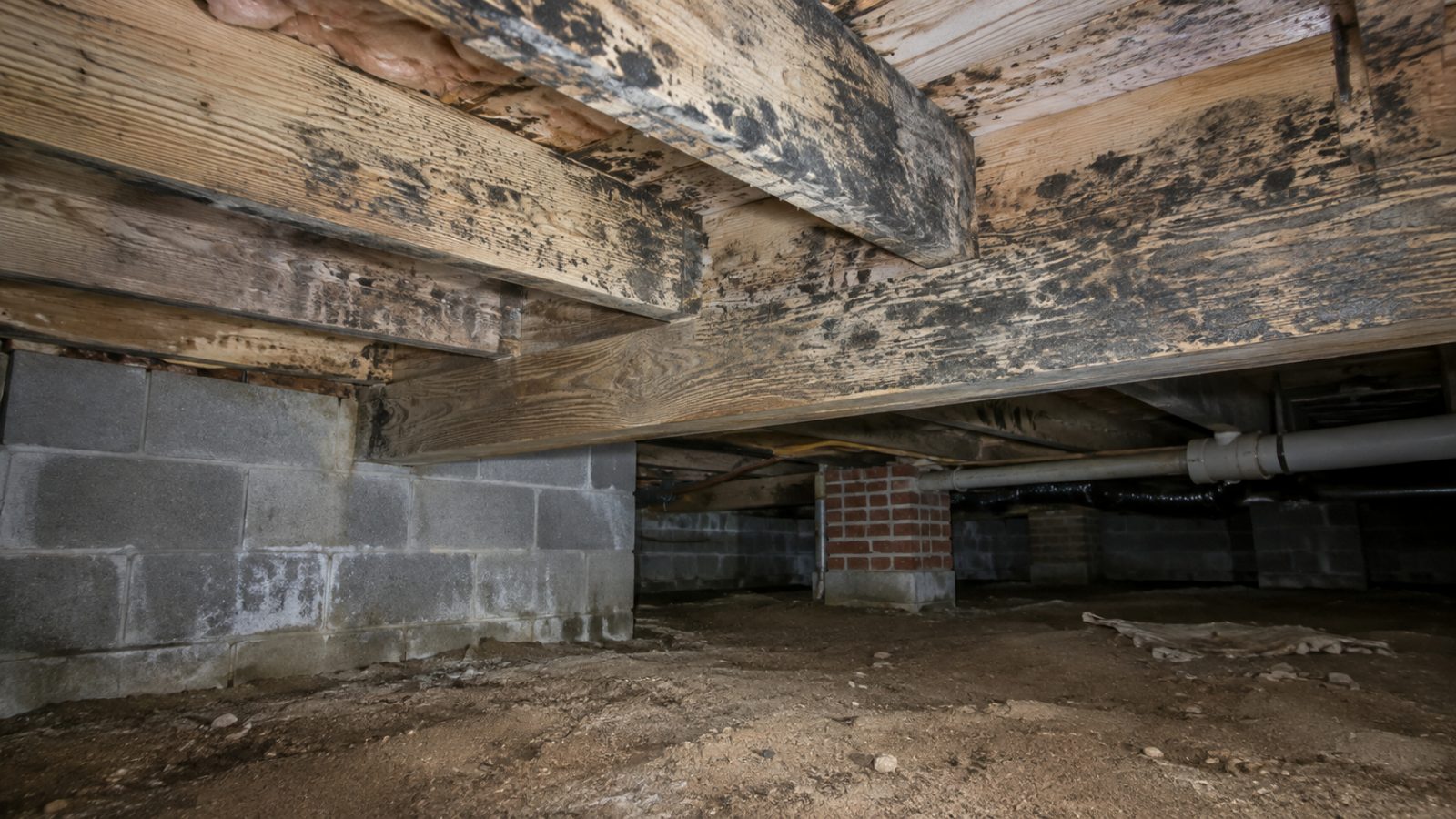
Stone and brick foundations and walls can wick moisture from the ground, and many older Shepherdstown basements were built as storage cellars rather than living space. Humidity in these spaces can stay high, especially during summer, and stored items, wood framing and finishes can develop mold growth. Repairs made with modern materials, such as impermeable coatings or vapor barriers in the wrong place, can trap moisture in older walls.
In historic buildings, remediation should focus on controlling moisture, cleaning surfaces that can be cleaned, and removing only materials that cannot be salvaged.
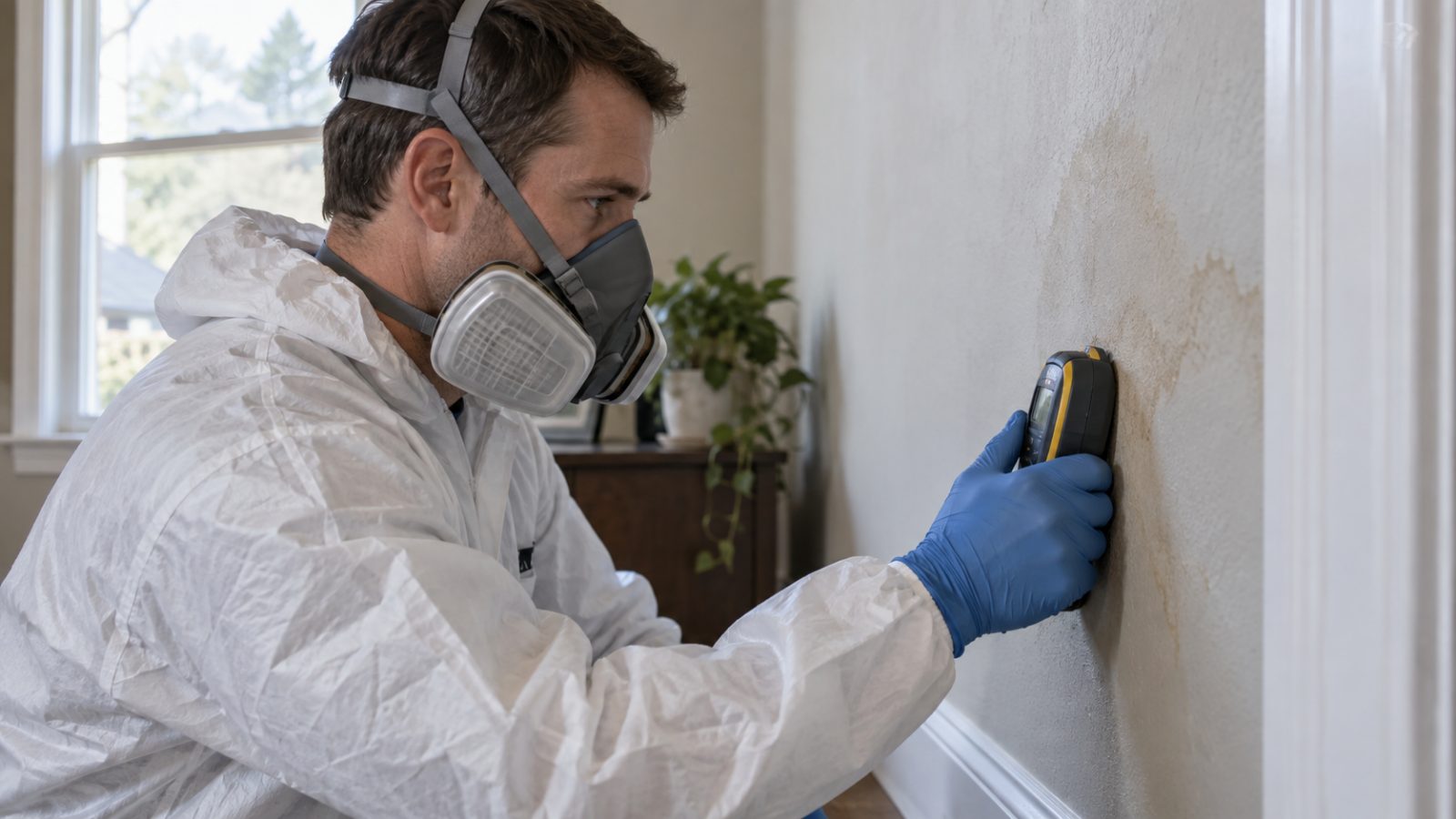
Shepherdstown's location near the Potomac means humid summers, morning fog and occasional flooding in low-lying areas near the river. Jefferson County's karst limestone geology also affects drainage and groundwater. Homes in low areas or with older drainage systems are more likely to experience seepage after heavy rain.
West Virginia does not license mold remediation and has no airborne mold standard, so historic and modern buildings alike are handled using EPA guidance.
For historic buildings, tell the pro what finishes you want to preserve.
Properties close to the Potomac or Town Run can experience high water or saturated ground after major storms. Basements and lower levels may need drying and removal of porous materials after flooding.
If your building is in the historic district, exterior changes may be subject to local review. Interior remediation generally focuses on moisture control and removal of damaged materials, but it is wise to check with the town before changing exterior drainage or masonry.
Homeowners: describe what you are seeing and get connected with an independent local mold pro. A quote over the phone is available when the situation allows.