Ranson Mold Remediation
Mold Remediation in Ranson, WV
Concerned about mold in Ranson? Call to speak with a local mold pro
Ranson Mold Remediation
Concerned about mold in Ranson? Call to speak with a local mold pro
Ranson sits directly next to Charles Town in Jefferson County, so close that many people treat the two as one community. Ranson developed around the turn of the twentieth century, and its older neighborhoods include frame and brick homes from the early 1900s. More recent residential subdivisions have added a large number of newer homes.
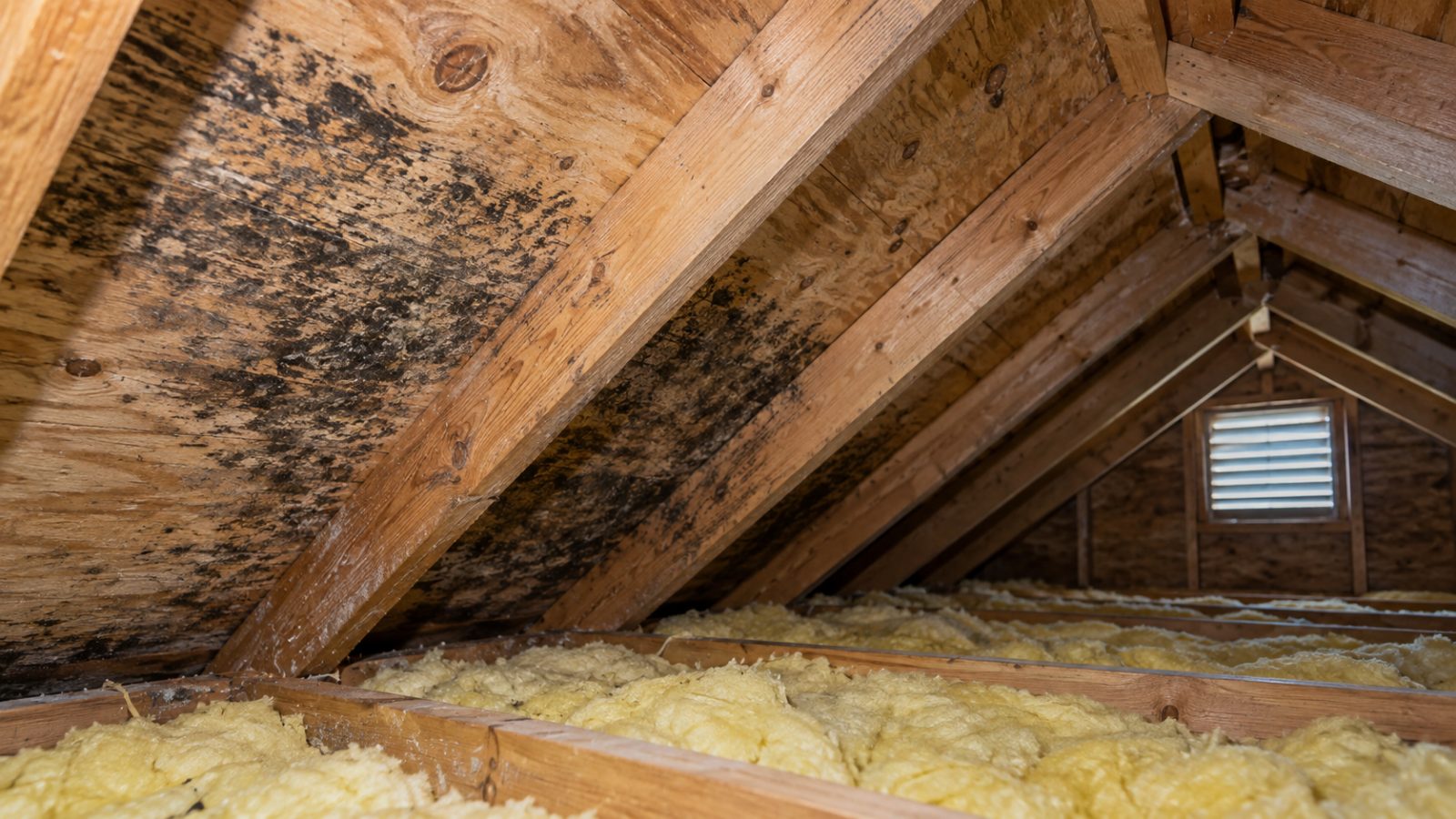
That mix gives Ranson two different types of mold problems. In older houses, moisture often comes through foundations, roofs and plumbing that have aged. In newer homes, problems more often involve condensation, HVAC issues, slow leaks inside walls, and finished basements where water damage is hidden behind drywall and carpet.
Older Ranson houses may have stone or block foundations, crawl spaces with dirt floors, and basements that were never meant to be finished. These spaces can stay damp for much of the year, especially in summer. If organic materials such as wood framing, stored cardboard or old carpeting sit in these spaces, mold growth can follow. Improving drainage, ventilation and moisture control is often as important as removing the visible growth.
Some older buildings have been converted to apartments or mixed uses, which can mean shared plumbing stacks and roof drains where a leak in one unit affects another.
Homes built in Ranson's newer subdivisions are generally tighter and better insulated. That is good for energy efficiency, but it also means moisture from cooking, bathing and laundry stays inside unless it is properly vented. Finished basements are common, and a leak from a water heater, sump pump failure or exterior drainage problem can soak drywall, insulation and carpet before anyone notices.
When that happens, the affected materials often need to be removed and the space dried before repairs are made.
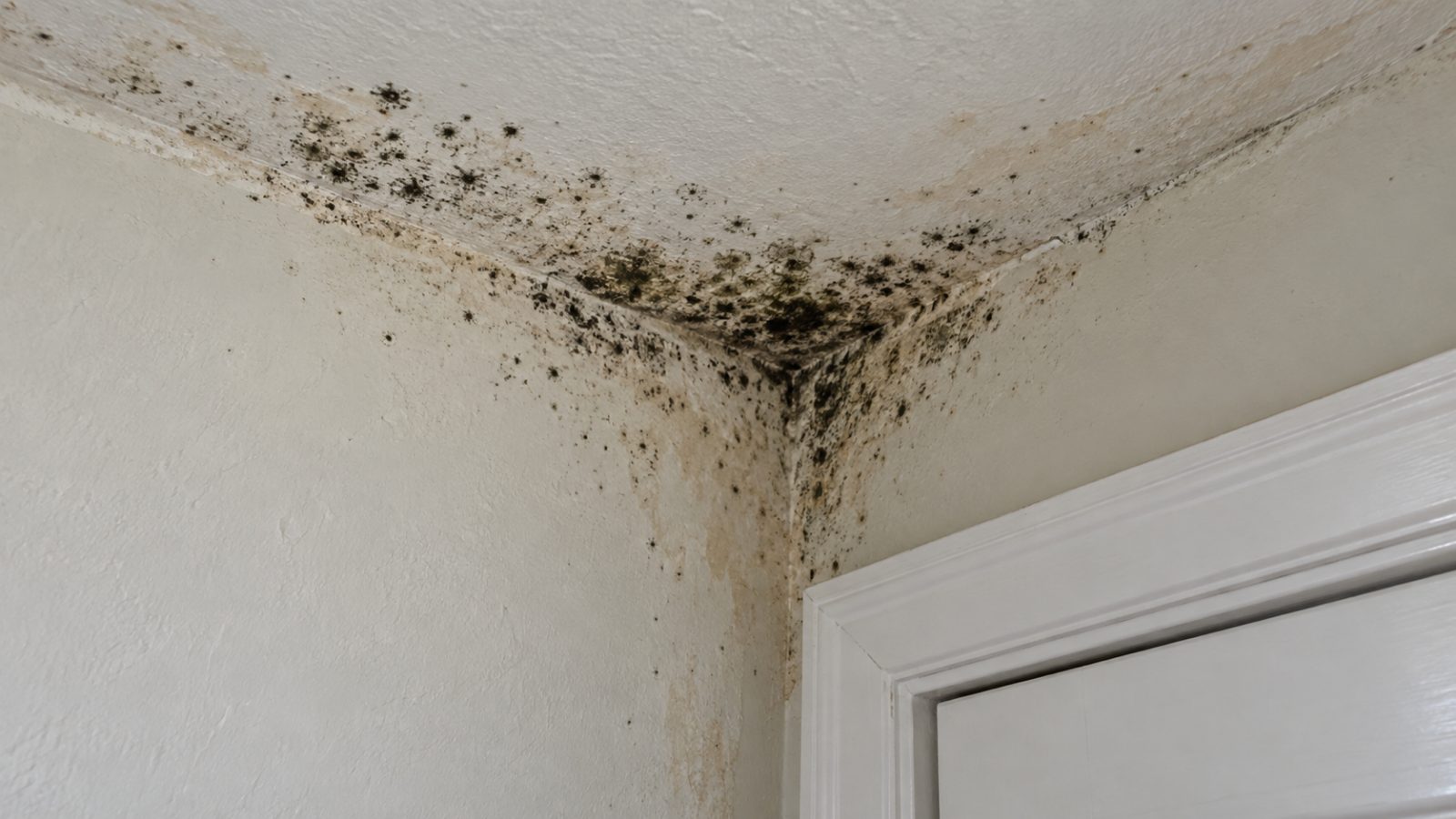
With no state mold licensing or airborne mold standards, remediation in Ranson relies on EPA's guidance and good practice: stop the water, dry quickly, remove materials that cannot be cleaned, and control humidity.
Tell the pro the type of building, the room and how long the problem has existed. Photos and leak details help.
Older Ranson buildings converted to apartments or offices may share roof drains, plumbing stacks and ductwork. A leak in one unit may show up as mold in another. In these buildings, tracing the source can mean looking well beyond the visible stain, and coordinating with owners or managers of other units.
In Ranson, as across the Eastern Panhandle, summer humidity tends to bring basement and crawl space complaints, while winter brings attic condensation and window-related moisture. Knowing when the problem started helps narrow down the cause.
Homeowners: describe what you are seeing and get connected with an independent local mold pro. A quote over the phone is available when the situation allows.