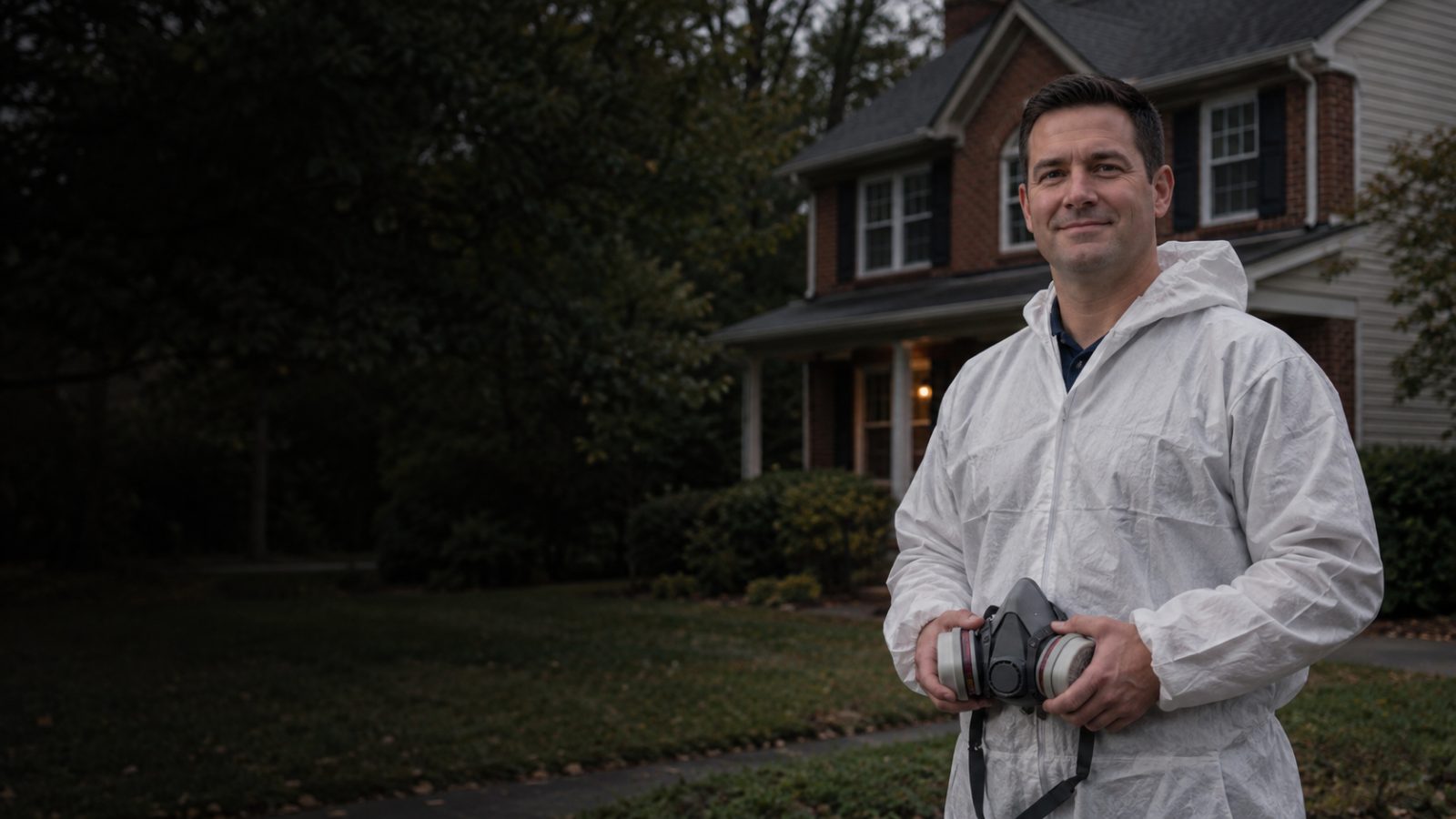
Local Mold Remediation
Mold Remediation in Martinsburg, WV
Concerned about mold or moisture? Call to speak with a local mold pro
Local Mold Remediation
Concerned about mold or moisture? Call to speak with a local mold pro
Mold can show up after a leak, flood, plumbing problem, roof issue, or long period of high humidity. When you notice a musty smell, visible growth, or recurring moisture, the first step is understanding where the problem started. Mold Remediation Martinsburg connects homeowners with independent local pros who help them in Martinsburg and throughout Berkeley County and surrounding areas investigate moisture concerns and plan the right remediation work.
A local pro typically focuses on the source of the problem as well as the visible mold. Depending on the situation, that can mean inspection and testing, removal from a basement or crawl space, attic remediation, black mold removal, or cleanup after water damage. A local pro typically explains what they find in straightforward language so you can make an informed decision about the next step.
Each service a local pro already offers is described on this page in enough detail to stand on its own. There is no single price for the work. What changes the scope is the affected area, the materials, access, the moisture source, and the amount of work required.
Mold Remediation Martinsburg is a referral service built around a simple idea: homeowners should not have to guess what is happening inside their own house, and should be able to reach an independent local mold pro. Small leaks and damp areas can turn into much larger cleanup projects when they go unnoticed, so a local pro typically starts by understanding the conditions behind the mold.
The providers it connects you with work in Martinsburg and nearby communities in Berkeley and Jefferson counties. Finished basements, crawl spaces, attics, seasonal humidity, and storm-related water intrusion can all create different moisture challenges. A local pro can identify the affected area, explain the work, and keep the process organized from the first conversation through cleanup.
More about this site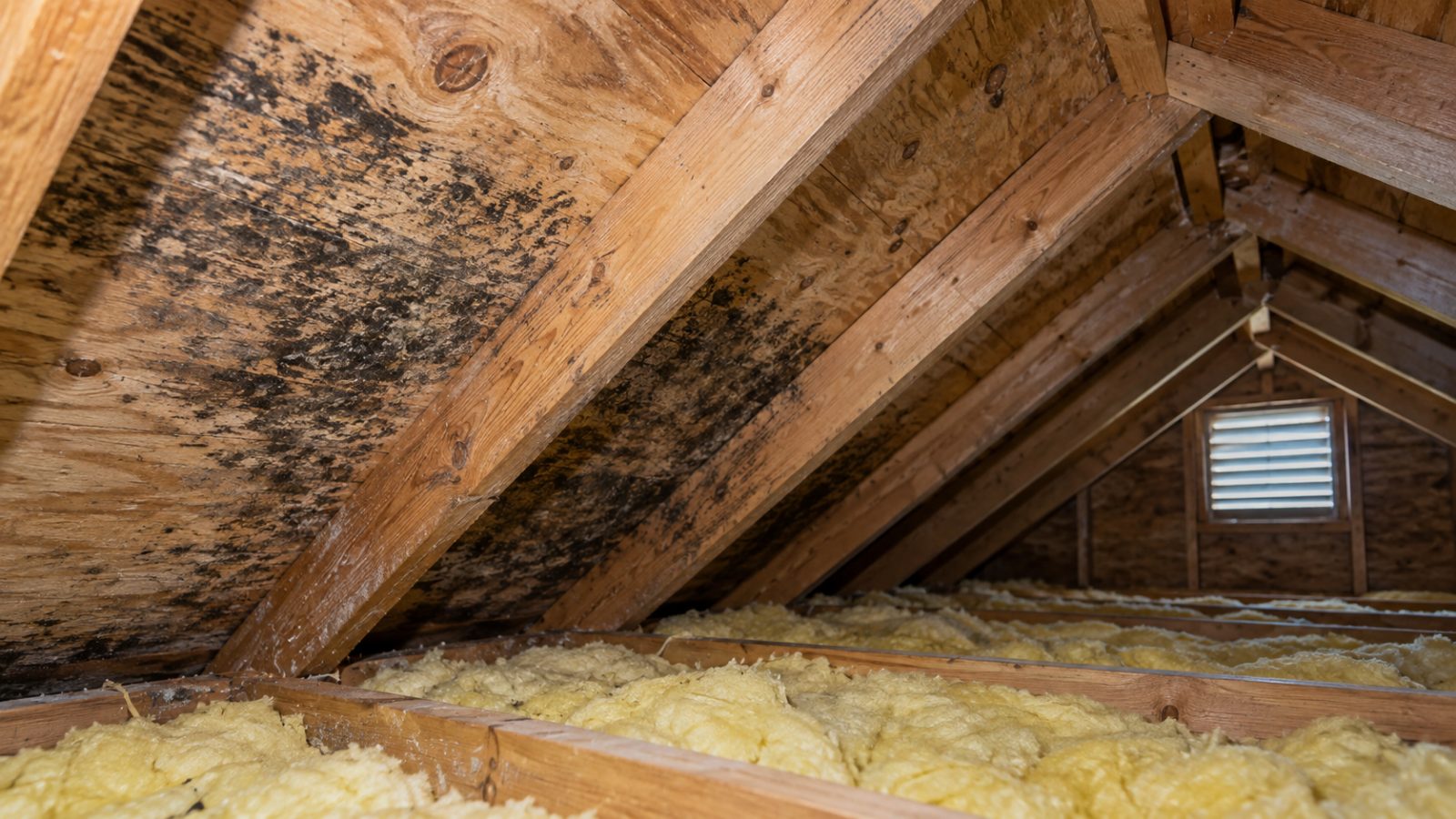
Mold remediation is the work of addressing mold in a home and the moisture connected to it. It is the service named in the heading of this site. The point is not only to deal with growth you can see. It is also to understand where the moisture came from so the cleanup matches the house. In Martinsburg that moisture often traces to a leak, a flood, a plumbing problem, a roof issue, or a long period of high humidity.
Remediation is the right conversation when there is visible growth, a musty smell that keeps returning, or a damp area that has already been cleaned and still looks or smells wrong. It is also what follows an inspection when the affected area and the materials are clear enough to plan removal or cleaning. A question about whether mold is present at all may start with inspection and testing instead. A local pro will say which of those fits what you describe.
A remediation visit starts with the history you can give the pro: what you noticed, where it is, and whether a leak or other water event came first. A local pro typically looks at the affected area, the materials involved, and the moisture conditions around them. Where it is appropriate, the work area is contained so affected material is not disturbed more than necessary. Porous materials that are heavily affected may need to be removed. Other surfaces may be candidates for cleaning. A local pro typically explains that scope before the work begins, including what the work is meant to accomplish. After the agreed work, a local pro typically reviews what was addressed and which moisture conditions still deserve attention. This page does not list a local dollar figure for this work; see the cost guide for national figures. Scope, materials, and the size of the affected area are what change it.
Mold inspection and testing is how a local pro typically gets a clearer picture when a Martinsburg home smells musty, shows suspicious growth, or has a history of leaks or dampness. The inspection looks at the areas of concern and takes visible conditions, moisture, and the history of the property into account. Testing can add information when the situation is uncertain. It is one part of understanding a house. It is not a substitute for dealing with an obvious moisture problem or with mold you can already see.
An inspection is useful when you are not sure what you are dealing with. That includes a persistent odor with little or no visible growth, a stain you cannot explain, or a basement, crawl space, or attic that has been damp and you want to know whether the concern is limited or more widespread. When visible mold and the affected area are already clear, testing is often unnecessary. It remains an option when extra information would help you decide.
The visit depends on why you called. A local pro typically examines areas where visible growth has appeared and considers the surrounding materials. Persistent odors can point to hidden moisture or mold, especially in enclosed areas such as basements and crawl spaces. A local pro typically considers leaks, damp materials, condensation, and other conditions that may be contributing. If testing is appropriate, a local pro typically explains what information it may provide and how it fits the rest of the evaluation, including what it cannot tell you. At the end a local pro typically discusses whether the sensible next step is monitoring, moisture correction, remediation, or something else based on what was actually found.
Black mold removal is a focused response to dark or black-looking growth. The color is unsettling, and it often shows up in a basement, a crawl space, or a spot that was affected by a leak. Appearance does not tell you the type of mold. The practical work is to identify the affected area, address the moisture, and decide which materials need remediation.
Ask about this service when you have found dark growth and want it evaluated before it is scraped, painted, or sprayed. It matters more when the growth is on porous material, when it is more than a small mark, or when the area was wet and never fully dried. A local pro does not treat every dark stain as the same mold or the same size job.
On the visit a local pro typically determines where visible or suspected growth is located and considers nearby materials that may also be affected. A local pro typically looks for leaks, dampness, condensation, or other conditions that could support more growth. Affected porous materials may require removal. Other surfaces may be candidates for appropriate cleaning. Where it is appropriate, the affected area is contained so the work does not disturb more of the house than it needs to. Before that work starts a local pro typically explains the containment, cleaning, removal, and moisture-related steps that fit the situation. Afterward a local pro typically explains what was addressed and what ongoing moisture control may be needed.
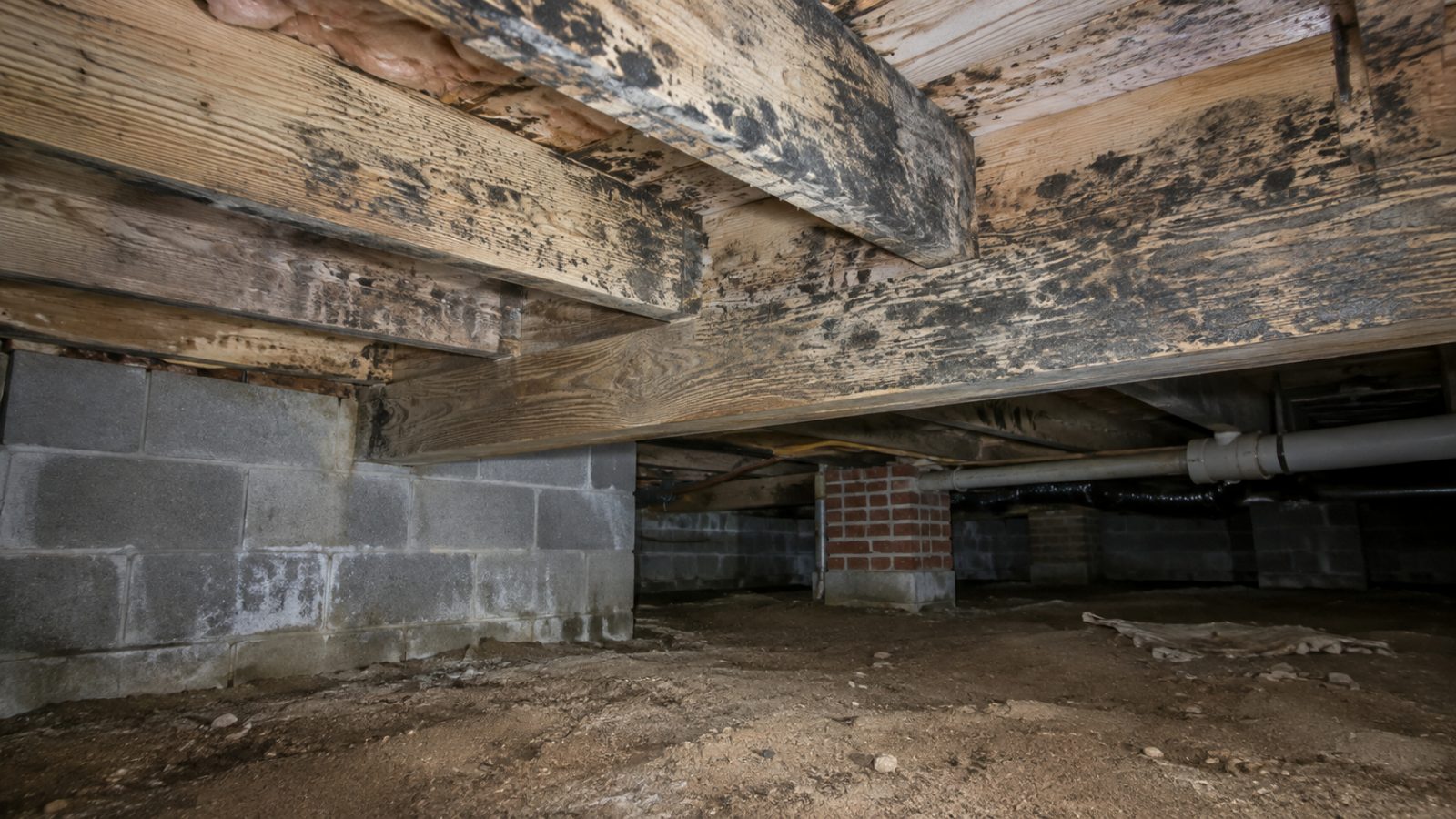
Basement and crawl space mold removal is one service for the parts of a house where moisture tends to collect and stay hidden. Leaks, groundwater, condensation, poor drainage, humidity, and damp materials can all leave a lower level musty or visibly moldy. A local pro typically evaluates the affected area and the moisture around it. The aim is to address the mold and to help you understand the conditions that may need attention if you do not want the same issue back.
This is the call to make when a basement or crawl space smells musty or shows visible mold, including after flooding, seepage, or a long damp season. Finished basements in this part of the Eastern Panhandle and crawl spaces with limited access are both in scope. They are not planned as two unrelated services. The same visit looks at whichever of those spaces is actually affected.
A local pro typically assesses the accessible areas and identifies visible growth, damp materials, and likely moisture concerns. Wood framing and other surfaces can remain damp after leaks, flooding, or prolonged humidity. Odors in an enclosed area can point to moisture you cannot see from the stairs. Affected insulation may need special attention depending on its condition and location. A local pro typically considers plumbing leaks, seepage, condensation, drainage, and other contributors, then defines which materials and areas are in the proposed scope. The agreed cleaning, removal, and related work follows that scope. Access and the condition of the space are part of the plan, because a low crawl space is not the same job as an open basement. When the work is done a local pro typically explains moisture conditions that should be addressed to help protect the space going forward.
Attic mold removal addresses mold that develops when moisture collects around roof sheathing, framing, insulation, or ventilation. Condensation, roof leaks, and other moisture conditions can all play a role. The service starts by understanding the affected area and the possible moisture source, then the remediation that fits the materials and the condition of that attic.
Homeowners usually call after they notice mold, staining, or a musty smell overhead, or after a roofer or inspector points out growth on the sheathing. The attic is easy to leave alone, so the first look from the hatch may not be the whole affected area. A roof leak is not the only explanation. Condensation and weak ventilation can keep wood damp even when the roof itself is intact.
A local pro typically reviews accessible attic areas, visible growth, materials, and possible moisture sources. That includes roof sheathing, wood framing that has stayed wet or has been condensing, and insulation in the areas touched by mold or moisture. Sheathing, framing, and insulation may need different responses depending on their condition. A local pro also considers attic conditions that contribute to condensation or recurring dampness. The scope of surfaces and materials is explained before remediation begins. A local pro then completes the agreed work for that attic area and go over moisture-related observations that matter if the goal is to keep the attic dry.
Mold remediation after water damage is for mold that shows up once a home has been wet. A burst pipe, roof leak, appliance failure, storm, or other intrusion can leave building materials damp long enough for growth to become visible days or weeks later. A local pro typically evaluates the affected area and determines what remediation may be needed, using the history of the water event, the moisture that is still there, any visible growth, and the materials that were touched.
This service fits when mold is already part of the story: you can see it, you can smell it in the area that was wet, or materials stayed damp long enough that cleanup of those materials is the question. The response depends on what happened, how long things stayed wet, and which parts of the home were affected. A localized leak and a flood that reached several rooms are not the same scope.
A local pro typically starts by reviewing where the water came from, when it happened, and what areas were affected. A local pro typically looks at visible mold, damp materials, and places where water can sit behind finishes or in enclosed areas. Persistent leaks can create localized growth around ceilings, walls, floors, or nearby materials. Flooding can affect a wider set of porous materials. The condition of drywall, insulation, framing, flooring, and other materials is what sets the scope. A local pro typically explains which of those are included, then completes the agreed work. Knowing the timeline of the water event is part of reading the conditions a local pro typically finds.
After water damage is the related service for homeowners who have already had a leak or flood and are now worried about mold, including when growth is not obvious yet. A water event does not always produce visible mold immediately. Moisture can remain inside walls, under flooring, around ceilings, or in enclosed spaces, and mold can develop later. This page on the site is about that concern. It is not a second, separate kind of remediation with a different method. It is the conversation a local pro has when the water event is the reason you called and the mold question is still open.
People call after a plumbing leak from a pipe, fixture, or appliance; after a roof leak that reached ceilings, attic areas, insulation, or framing; after basement flooding or seepage; or when mold or a musty smell becomes noticeable only after the original water event seemed to be over. If you are at the point of seeing growth in the area that was wet, the remediation-after-water-damage work above is usually the closer description. If you are not sure the materials ever dried, this is the place to start.
The visit uses the history you can provide. A local pro typically asks what kind of water event it was, about when it happened, and which areas you believe were affected. A local pro typically assesses current conditions and identifies visible or suspected mold and moisture concerns, including nearby materials and not only a spot of growth. A local pro then explains what may need remediation and, if you agree, completes that work and reviews the moisture-control points that came out of the look. A local pro is looking at the mold-related portion of the problem, based on the condition of the area now and the moisture history you describe.
There is no single price. Mold projects vary by affected area, materials, access, moisture source, and the amount of work required. A property-specific evaluation is how a local pro typically understands the likely scope and cost. This page does not list local dollar amounts; national figures from HomeAdvisor are on the cost guide. The rows below are the planning categories already listed on the service pages. They are general planning categories, not quotes.
| Service | Estimated Cost |
|---|---|
| Mold inspection and testing. These are general planning categories, not quotes. Final cost depends on property size, access, scope, and testing requirements. | |
| Basic mold inspection | Varies by property |
| Inspection with testing | Varies by testing needs |
| Larger property evaluation | Varies by size and access |
| Black mold removal. Mold remediation pricing depends on the size of the affected area, materials, access, moisture conditions, and required work. | |
| Small affected area | Varies by materials |
| Basement or crawl space removal | Varies by scope |
| Larger remediation project | Varies by size and access |
| Basement and crawl space mold removal. Pricing depends on the size and condition of the space, accessibility, affected materials, and moisture source. | |
| Small basement area | Varies by scope |
| Crawl space remediation | Varies by access and materials |
| Larger affected space | Varies by size and moisture conditions |
| Attic mold removal. Attic pricing depends on the size of the area, accessibility, affected materials, moisture conditions, and required remediation work. | |
| Small attic area | Varies by scope |
| Attic with affected insulation | Varies by materials |
| Larger attic remediation | Varies by size and access |
| Mold remediation after water damage. The final cost depends on the affected area, materials, moisture conditions, access, and amount of remediation required. | |
| Localized water-damage mold | Varies by affected area |
| Multiple-room remediation | Varies by scope |
| Larger water-damage project | Varies by materials and access |
| After water damage. These categories are for planning only. A project-specific estimate depends on the affected area, materials, access, and remediation requirements. | |
| Localized mold concern | Varies by area |
| Multiple affected areas | Varies by scope |
| Larger remediation | Varies by size and materials |
The steps below are the sequence the service pages already use, put in one place. Inspection, dark-mold work, lower levels, attics, and water-damage calls all move through a discussion, a look at the property, a defined scope, the agreed work, and a review. The middle steps change with what a local pro typically finds.
Tell the pro about odors, visible growth, leaks, previous water damage, or a musty area you cannot see. If there was a water event, a local pro typically asks what kind it was, about when it happened, where the water came from, and which areas became wet.
That history is the starting point. A smell in a crawl space and mold on attic sheathing after a roof leak are not opened the same way.
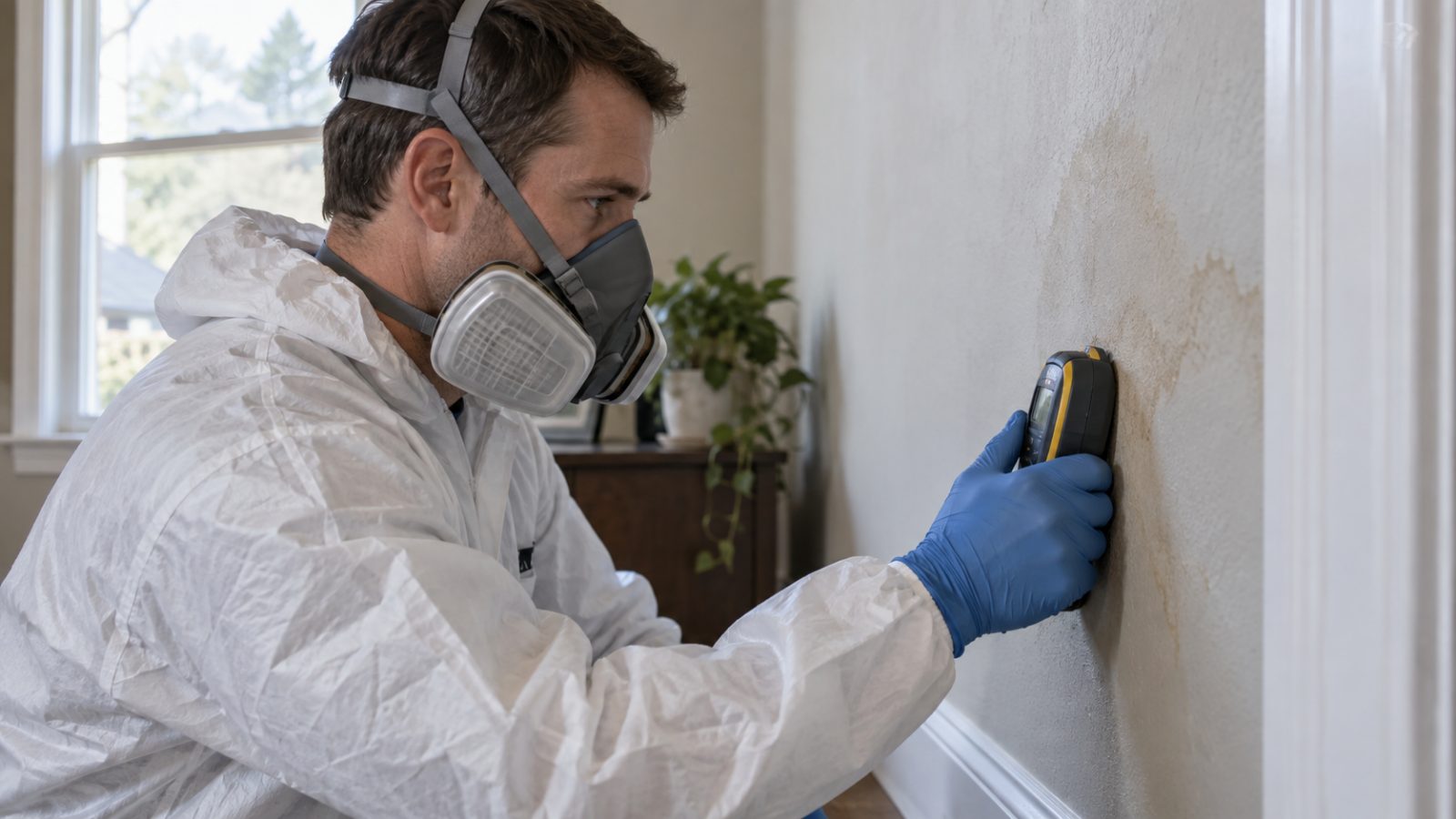
A local pro typically examines the areas tied to the concern. That includes visible growth, surrounding materials, damp materials, condensation, and other likely moisture sources. In a basement or crawl space a local pro typically looks at accessible areas, framing, surfaces, and insulation that may have stayed wet. In an attic a local pro typically looks at accessible sheathing, framing, insulation, and ventilation conditions.
Hidden moisture matters. Water can sit behind finishes and in enclosed areas after the surface looks dry. A local pro typically says what they could see and what they could not.
A local pro typically explains the containment, cleaning, removal, and moisture-related work that fits the situation, and which materials and areas are included. If testing would add something useful, a local pro typically explains what it can and cannot tell you. Testing is not automatic.
You hear the proposed work, and what it is intended to address, before it begins. The scope might be remediation, or it might be that monitoring or correcting a moisture source makes more sense than removal.
A local pro typically carries out the agreed cleaning, removal, and related work for the affected area. Porous materials that are heavily affected may be removed. Other surfaces may be cleaned. Containment is used where it is appropriate so the work area stays limited to the materials that are part of the job.
The work follows the scope that was explained. It is not a general treatment of every room in the house.
A local pro typically discusses the completed work and the moisture conditions that are still relevant: leaks, dampness, drainage, ventilation, or humidity that could support the same growth again. Removing visible growth and leaving that moisture in place does not settle the problem.
The review is an explanation of what was addressed and what still needs attention. It is not a guarantee that mold will not return if the house gets wet again. Warranty terms depend on the individual provider.
This site covers Martinsburg and communities across Berkeley County and neighboring Jefferson County, including Charles Town, Ranson, Inwood, Hedgesville, Shepherdstown, and Kearneysville.
Because every property is different, the extent of work depends on the affected materials, moisture source, and size of the problem. If you are unsure what kind of service you need, describe what you are seeing when you call and a local pro can help you identify a sensible starting point.
See all service areasThis site covers Martinsburg and nearby communities in Berkeley and Jefferson counties.
A local pro typically explains what they find, what needs attention, and what the proposed work is intended to accomplish without burying you in technical language.
Mold is often connected to moisture. A local pro typically looks beyond the visible area and considers where water or excess humidity may be coming from.
The approach is built around helping homeowners understand and address mold concerns in living spaces, basements, crawl spaces, and attics.
There is no single price. Projects vary by the affected area, the materials, access, the moisture source, and the amount of work required. A look at the property is how the likely scope and cost become clear. The table on this page lists the planning categories already listed on the service pages, such as “varies by scope,” “varies by materials,” and “varies by size and access.” Those lines are not dollar quotes. National figures from HomeAdvisor are on the cost guide.
Visible growth, musty odors, recurring dampness, and areas of past water damage are all reasons to look more closely. A persistent smell with nothing you can see, especially in a basement, crawl space, attic, or other enclosed area, can also be a reason to investigate hidden moisture. If the source or the extent is unclear, an inspection can help sort out what is happening. Seeing obvious growth does not, by itself, mean a lab test is the first step.
No. Testing is not necessary for every situation, particularly when visible mold and the affected area are already clear. It can be useful when the source or the extent is uncertain or when additional information would help. When a local pro typically discusses testing, they also say what it can and cannot tell you. A test does not replace fixing a leak or dealing with growth that is already in front of you.
Yes. Both are covered as one service. The work can involve framing, insulation, surfaces, and other materials, depending on what is damp or visibly affected. A local pro also looks at moisture sources that can bring the growth back, including leaks, seepage, condensation, drainage, and humidity. Access is part of the scope. A crawl space and a basement are planned from the conditions in that space.
Tell the pro when the leak, flood, or plumbing problem occurred, which areas became wet, and where you now see or smell mold. Address the water source, and avoid carrying wet or moldy materials through the rest of the house. If growth is already visible or materials stayed damp, a local pro can evaluate current conditions and discuss remediation. If you are not sure the hidden materials dried, say that. Moisture inside walls, under flooring, or around ceilings is part of what a local pro typically asks about.
Dark growth should be evaluated from the conditions, not from the color. A local pro typically looks at where it is, which materials are involved, and what moisture is present, then discusses containment where it is appropriate, cleaning or removal, and the moisture source. A local pro does not name a mold species from a photograph of a dark patch. The cost category for that work is one of the “varies by” rows in the table, not a set price.
It depends on the size of the affected area, the materials, access, moisture conditions, and the scope of work. A small localized problem is a different job from a larger one that involves several rooms or building materials such as drywall, insulation, and framing. A local pro can talk about the likely shape of the work after seeing the area. A local pro does not quote a standard number of hours for every house.
It depends on the location and the scope. Before work begins a local pro can discuss the affected area, the work conditions, and whether any temporary change in access or occupancy should be considered. A contained area in a crawl space is not the same situation as work in a main living space. A local pro will say what applies to the job in front of them rather than giving one rule for every project.
See typical published price ranges for mold remediation, what drives the cost up or down, and why the actual price depends on an inspection of your property.
Homeowners: describe what you are seeing and get connected with an independent local mold pro. A quote over the phone is available when the situation allows.