Kearneysville Mold Remediation
Mold Remediation in Kearneysville, WV
Have a mold concern in Kearneysville? Call to speak with a local mold pro
Kearneysville Mold Remediation
Have a mold concern in Kearneysville? Call to speak with a local mold pro
Kearneysville is an unincorporated community in Jefferson County between Martinsburg and Charles Town, along WV 9 and WV 480. It has a long agricultural history, including orchards, and it is home to the USDA Agricultural Research Service's Appalachian Fruit Research Station. The area includes farmhouses, rural homes on larger lots and newer subdivisions built as the Eastern Panhandle has grown.
Rural properties around Kearneysville often have private wells, septic systems, crawl spaces and outbuildings. Those features, combined with humid summers, can create moisture problems that lead to mold growth in basements, crawl spaces, attics and living areas.
Older farmhouses in the Kearneysville area may have stone foundations, crawl spaces with dirt floors, and additions built in different decades. Moisture can enter through foundations, roof leaks and old plumbing. Crawl spaces without vapor barriers can stay damp, and wood framing and insulation in those spaces may develop mold.
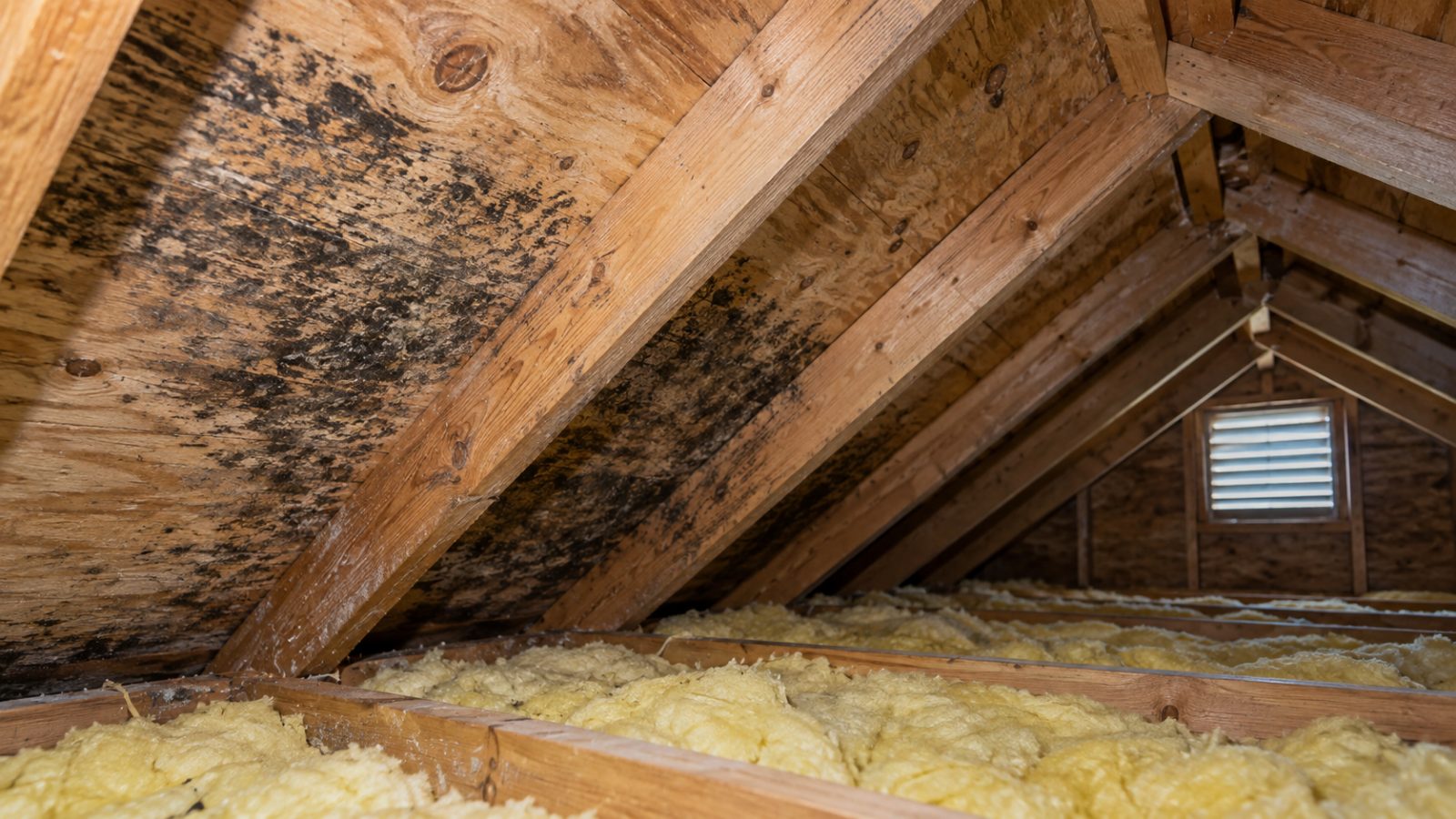
Older attics may lack adequate ventilation, which can lead to condensation on the underside of roof sheathing during cold weather.
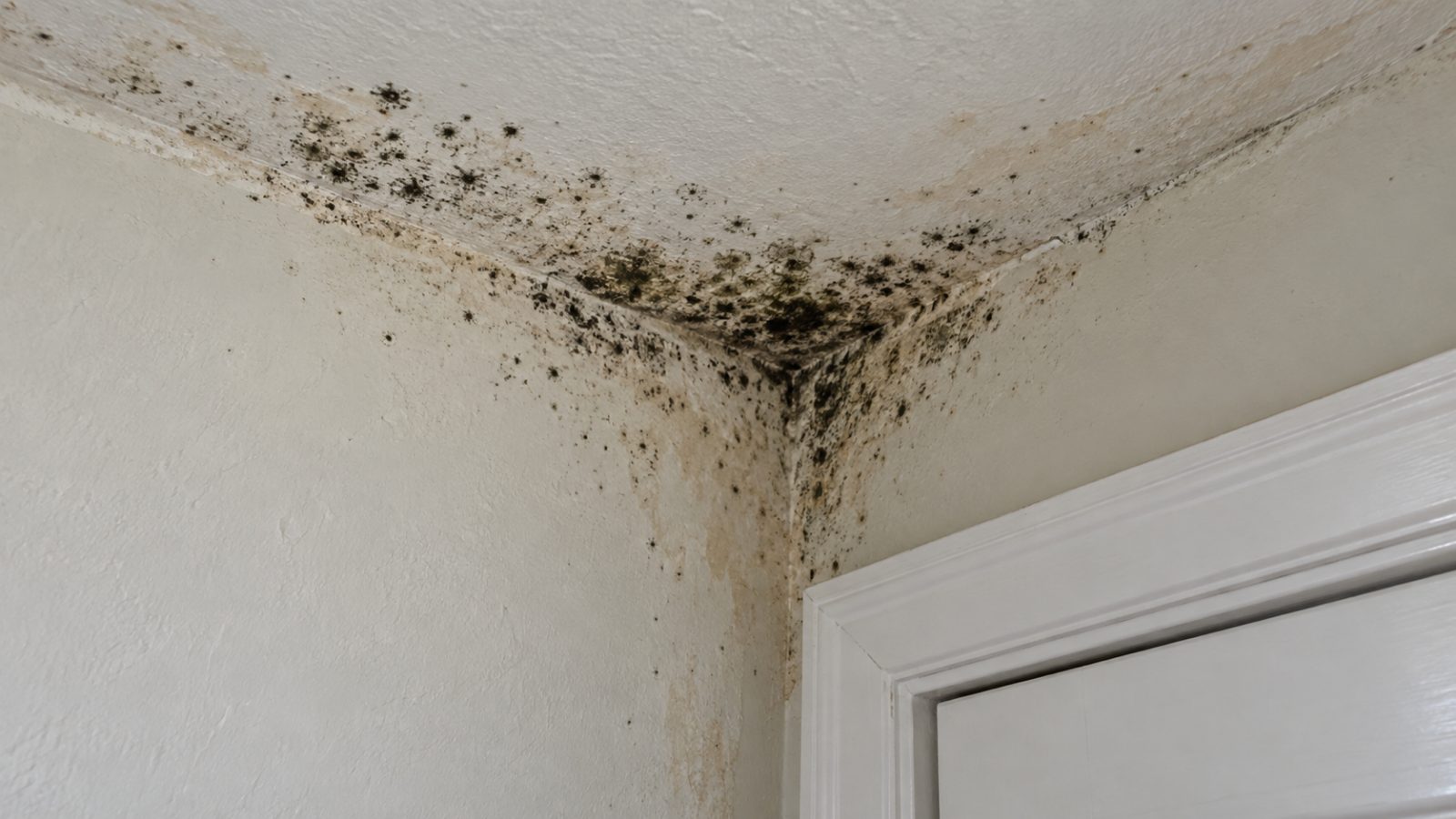
Newer homes around Kearneysville are generally built with basements or crawl spaces, central air and tight building envelopes. Mold problems in these homes often come from plumbing leaks, appliance failures, condensation from HVAC equipment, poorly vented bathrooms and drainage problems around the foundation. Finished basements can hide water damage until mold growth or odors become noticeable.
Like much of Jefferson County, Kearneysville lies on limestone karst geology, where water moves through fractured rock and sinkholes and springs are common. Heavy rain can raise groundwater levels and push water into basements and crawl spaces. Correcting grading, gutters and downspouts is often part of a long-term solution.
Kearneysville homeowners sometimes ask whether a state inspection or permit is required. For mold, West Virginia currently has neither a contractor licensing program nor an indoor mold limit, so decisions rest on EPA's practical cleanup advice and on what the building itself shows.
A short description of the building, the room, the smell or stain, and when it started is plenty for a first call from Kearneysville.
Barns, packing sheds and workshops on farm properties are often unconditioned and damp. Mold on stored items in these buildings is common. When an outbuilding is converted into living or work space, moisture control and ventilation should be planned from the start.
The USDA station and the remaining orchards are a reminder that much of the land around Kearneysville is still agricultural. Older tenant houses and farm offices on these properties may have been updated piecemeal, with bathrooms added in enclosed porches or basements finished without vapor control. Those improvised spaces are frequent sources of musty odors and hidden growth.
Sitting between Martinsburg and Charles Town, Kearneysville has seen new homes built next to old farmhouses. Construction nearby can change how stormwater moves across neighboring land, and owners sometimes notice new basement dampness after grading changes on adjacent lots. Mention any recent nearby construction when you describe the problem.
Homeowners: describe what you are seeing and get connected with an independent local mold pro. A quote over the phone is available when the situation allows.