Inwood Mold Remediation
Mold Remediation in Inwood, WV
Need a plan for mold in Inwood? Call to speak with a local mold pro
Inwood Mold Remediation
Need a plan for mold in Inwood? Call to speak with a local mold pro
Inwood is an unincorporated community in southern Berkeley County along the I-81 corridor, near Exit 5, with US 11 and WV 51 also passing through. It is home to Musselman High School and has grown rapidly as commuters to Martinsburg, Winchester and the Washington, D.C. region have moved into new subdivisions. Alongside that growth, Inwood still has older rural houses and farm properties on its outskirts.
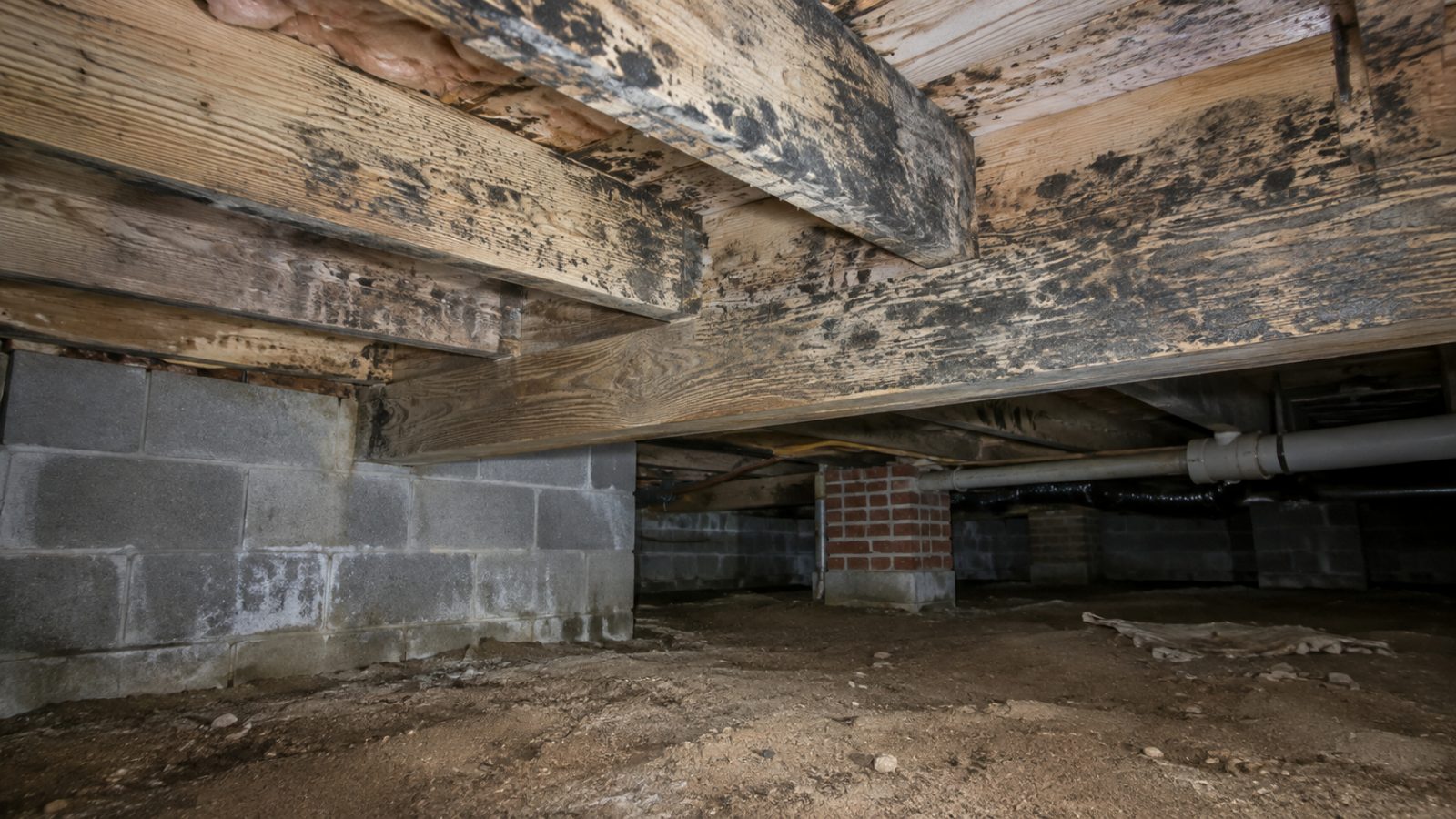
Mold problems in Inwood often come from the same issues a local pro typically sees across Berkeley County: basement moisture, crawl spaces that stay damp, plumbing and appliance leaks, and humid summers that push indoor humidity up. The age and construction of the house shape where those problems show up.
Most of the homes in Inwood's newer neighborhoods have basements or crawl spaces, central air and sealed building envelopes. Common moisture problems in these homes include sump pump failures, downspouts that discharge too close to the foundation, grading that slopes toward the house, condensation from air conditioning ducts in unconditioned spaces, and leaks from water heaters or washing machines.
Finished basements deserve special attention. Drywall, carpet pad and wall insulation can hold moisture for a long time after a leak. If a basement had water damage and the materials were not dried quickly, mold can grow out of sight behind finishes.
Farmhouses and older homes around Inwood may have stone or block foundations, dirt-floor crawl spaces and older plumbing. These houses can have chronic dampness in the crawl space or basement and condensation on cold-water lines in summer. Addressing those moisture sources is a key part of any lasting fix.
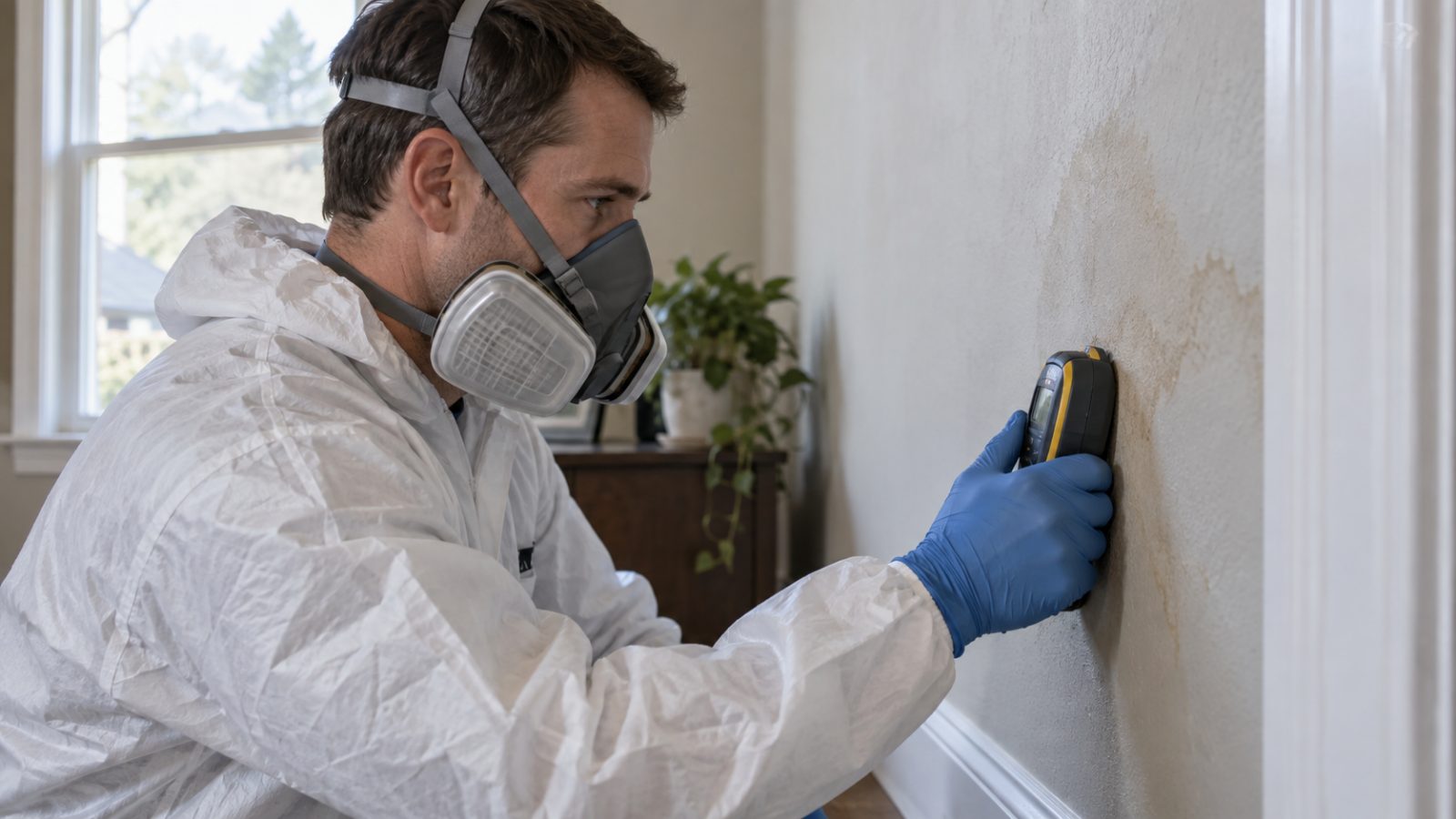
Berkeley County lies in the Great Valley, where limestone bedrock and karst features such as sinkholes and springs affect how water drains. Combined with heavy summer thunderstorms and snowmelt in winter, that can lead to water entering basements and crawl spaces, especially in homes where grading or drainage was not designed with these conditions in mind.
West Virginia has no mold remediation license or airborne mold standard, so EPA's cleanup guidance is the practical reference for Inwood homes.
Neighborhood, whether the house is newer or older, where the growth is and what water event occurred. Photos speed things up.
Many Inwood homeowners commute along I-81 or farther to the Washington area. Leaks can go unnoticed for days in an empty house. Water sensors near water heaters, washers and sump pits, plus regular checks of basement corners, can catch problems before mold develops.
If your Inwood home is still under a builder warranty, document moisture or mold problems with photos and dates and notify the builder as required. A local pro can describe what they see and what remediation would involve, but warranty decisions remain between you and the builder. Warranty terms depend on the individual provider.
Before the newer subdivisions arrived, Inwood was a crossroads along US 11 with orchards and farms nearby. A handful of older houses remain along that corridor. Their foundations, porches and additions often show the same moisture patterns as older Martinsburg homes: damp cellars, leaking roof joints and plumbing installed long after the house was built.
Homeowners: describe what you are seeing and get connected with an independent local mold pro. A quote over the phone is available when the situation allows.